How to create good pieces
We live in a visual world, so we must use visuals to express ourselves. Campaign photos need to convey trust and tell voters something of the story of our journey.
Alongside the logo and campaign colours, photos are the main element for building visual identity in a political campaign. Campaign photos are used across all printed materials, for the press, websites, and social media.
The official campaign photo
Having a strong official campaign photo is essential.
- How do we want to present ourselves?
- With whom? How do we want people to see us?
- Do we want to be seen as strong candidates, approachable, committed, spontaneous, with a solid track record, as a reference within a community, or as representatives of a specific political party?
Being clear about these questions from the very beginning will make your task much easier, candidate. These are the same questions we ask when we start thinking about our visual identity. They’re also connected to the tone we want to use. With this in mind, we shape our communication and take photos that reflect these choices.
The official photo is the one that will be used across all social media profiles, making it easy to recognise and well received by the media. Repeating this image helps build recognition, especially in the early phase of the campaign.
Ideally, the official photo should be taken in a studio by a professional photographer. If that’s not possible, a white background is essential. Simple photos already allow people to recognise and connect with you.
Note: check if your country has any specific rules for the official campaign photos.

The camera
- Use a digital camera if possible, ideally with more than 18 megapixels. Important: shoot in RAW format (CR2, NEF, DPG, etc.).
- It’s essential that the photo is high quality so it can be used both in printed and digital materials. A high-quality image has the resolution required for its intended use. For printing, you’ll need at least 300 dpi at the final print size. For digital use, the resolution can go down to 72 dpi.
- You can also use photo-editing apps. We don’t recommend heavy filters or excessive retouching, as they reduce image quality and make the photo look less natural.
- If you don’t have access to a professional or studio camera, you can absolutely use your phone. Most smartphones today have good cameras, solid resolution, and instant connectivity, which makes it easy to publish and share photos quickly.

Lighting
- When it comes to lighting, natural light is a great ally—as long as it’s not backlighting you or coming directly from harsh sunlight.
- Test different options.
- Also try to avoid using flash.

Framing
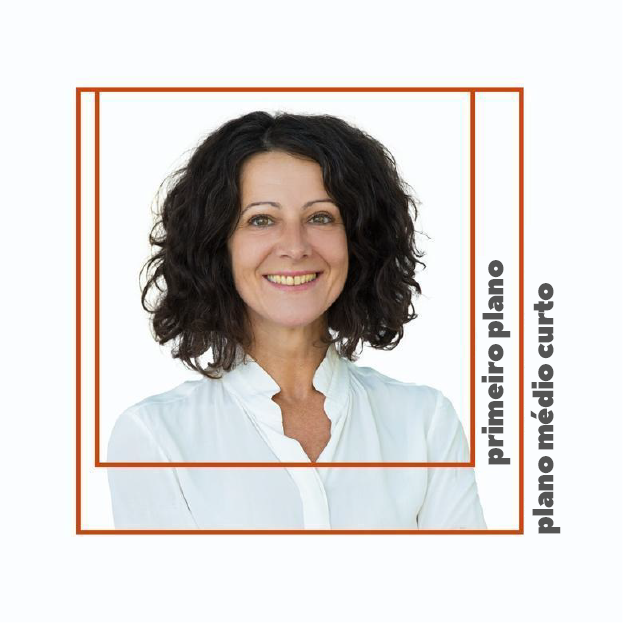
- For the official photo, think in terms of a close-up (face visible up to the shoulders) or a short medium shot (up to the waist).
- The candidate should always be the main focus of the image.
- Full-body shots tend to be too small and lack detail, making it harder for people to really see and connect with you.
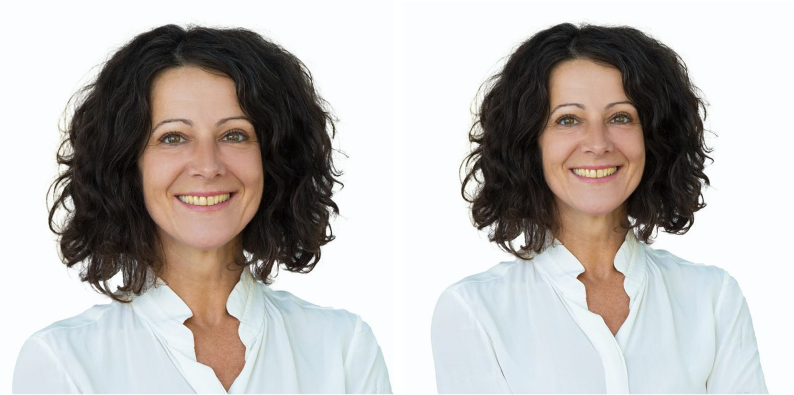
It’s important that both shoulders are visible in the photo. Otherwise, it creates a straight, unnatural crop when we need to reposition the image across the campaign’s visual materials.
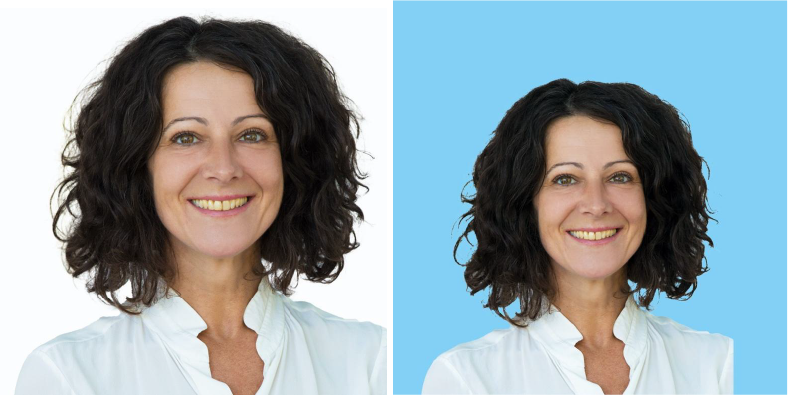
- It’s always better to take the photo facing the camera or in a three-quarter position (with the body at a 45° angle to the camera), against a neutral background that contrasts with the person being photographed. This also makes the image easier to crop later, if needed.

Clothing
- It’s best to wear solid colours rather than stripes or patterns. Besides being distracting, patterns can create a moiré effect (visual interference).
- You can take different photos wearing both formal and informal outfits and experiment with different colours. Neutral colours are usually a safe choice, but if you want to try bolder options, we recommend sticking to solid colours with no prints.
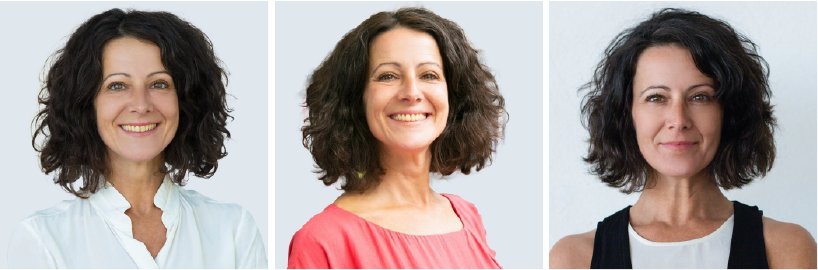
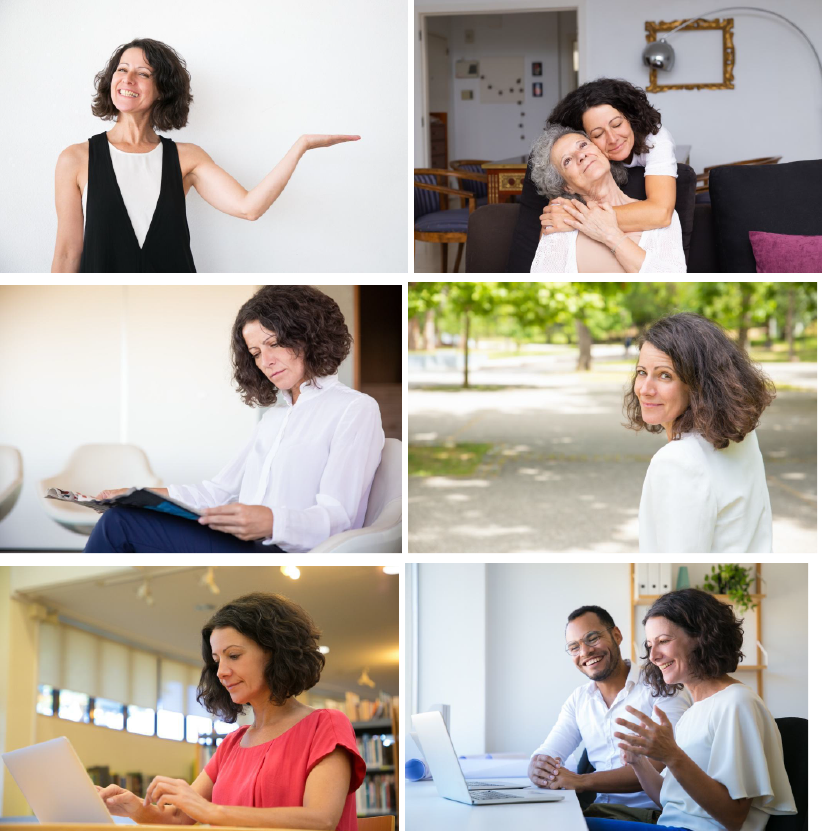
- Clothing also communicates a message, so think carefully about what you want to convey when choosing what to wear. These three photos all meet the technical requirements, but they communicate different ideas and gestures about the person. Keep that in mind. None is better than the other; each one tells a different story.
Other campaign photos
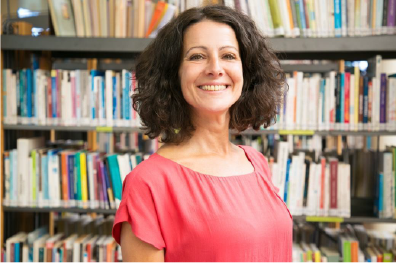
- It’s important to build a useful photo bank to use throughout the campaign, especially on social media.
- Showing the candidate in her everyday work environment creates a sense of spontaneity and relatability, conveying calmness and helping build curiosity and trust.
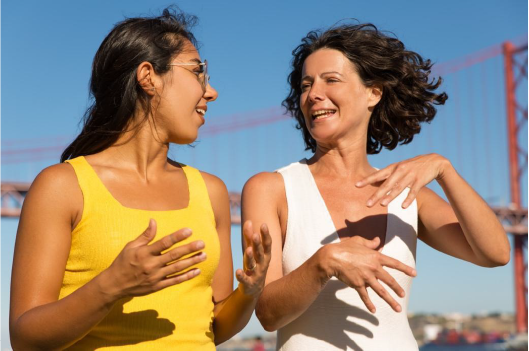
- More informal, relaxed photos can also be taken, both indoors and outdoors.
- People are also interested in seeing behind-the-scenes moments. You can take some photos while photos or videos are being recorded, a kind of “behind the camera” look.
- Some candidates also choose to use photos with personal and family relationships. This will depend entirely on the candidate and whether she feels comfortable sharing this part of her life.
Photos with the community
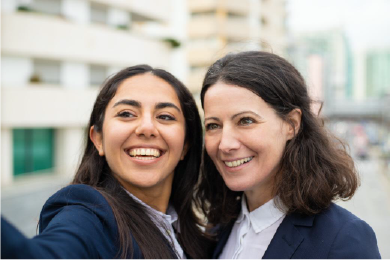
- It’s important for the candidate to have photos with their future voters and their community of interest. These are all part of visual identity.
- Carefully selecting places and people reinforces the message we want to convey.
- We can include symbolic issues, places of interest to the community, such as schools, neighborhoods, or something iconic considered relevant to the segment to which the campaign is directed.
Photos with other people
- Once the campaign is launched, we will have the opportunity to take photos in other contexts.
- We can take photos with potential voters, make visits and document them.
- In addition, if possible, we can take photos with figures from the political or social communities we work with, or who are considered political allies during the campaign.
Copyright
- Finally, make sure you capture all images yourself and secure the rights to use them for any purpose you may need.
- We don’t recommend using stock photos or images taken from the internet.
- A photo taken on your phone is better than something that looks staged or artificial.
Photo release forms
- Check whether there’s specific legislation in your country regarding image rights.
- In some countries, anyone photographed for a campaign must sign a consent form authorizing the use of those images, whether digital or printed. This also applies to parents or legal guardians in the case of children.
- If you’re taking photos at a group event, make sure people are aware they’re being photographed. This helps protect the campaign legally and avoids unnecessary surprises later on.
Photo of people created by pch.vector – katemangostar