How to talk and act about what matters
by Impulsa
You’ve already learned how to build key messages for your electoral campaign, now see examples of how to communicate themes like climate justice in elections. To those, you also need key messages definition.
How to define your key messages on specific themes?
Key messages are phrases that objectively, convincingly, and sincerely summarize the main message you want to convey to your electorate. They have the power to inspire action; in this case, to get people to vote and elect you. That is why this is an important stage in the campaign-building process.
“Climate change is not fair. Although it affects everyone, the distribution of its impacts is unequal!”
The most widely used method for building key messages is the “Message House.”
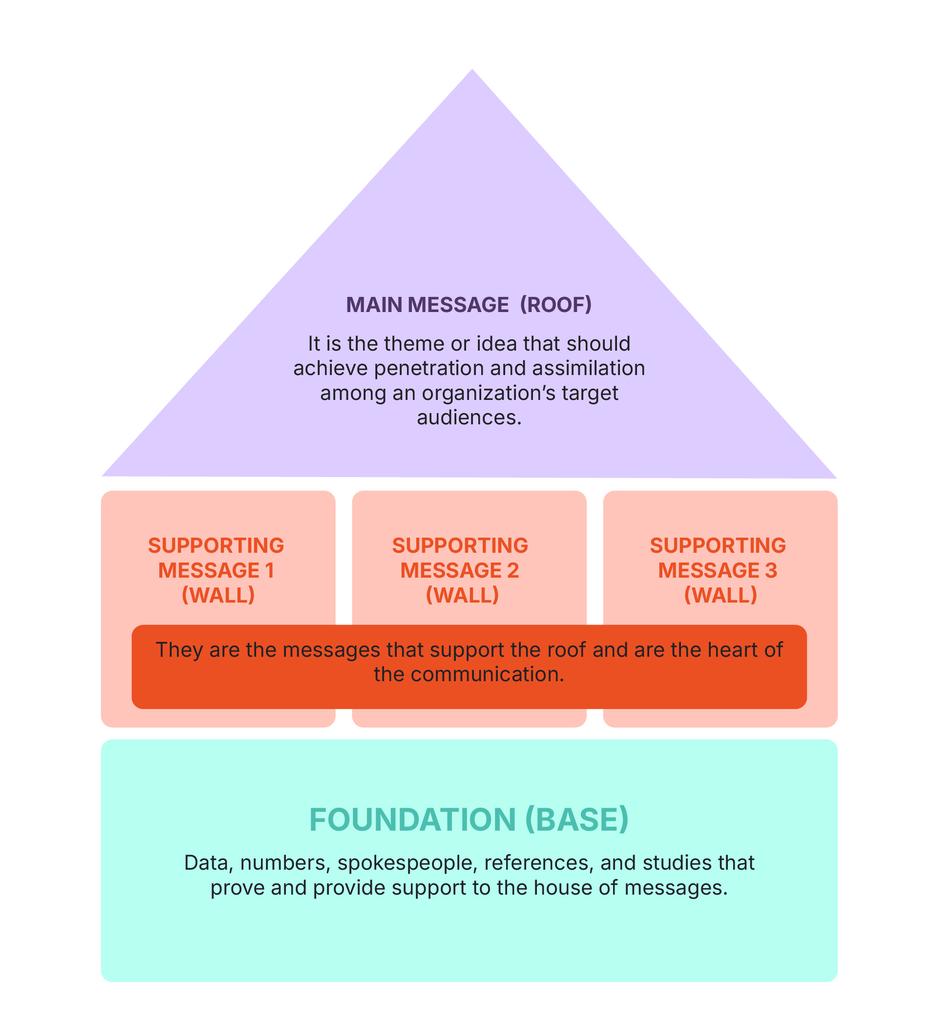
Source: Alter Comunicação
Imagine a house. It has a roof that covers all the rooms, walls that support that roof, and a solid foundation, right?! A key message is also like this.
But remember:
- Your message must be credible and supported by evidence, data, research, testimonials, etc.
- Your message must be simple, yet impactful enough to capture the attention of your electorate.
- Segment and personalize your supporting message, respecting the different experiences and trajectories of each group.
- Control your communication, speak clearly and honestly; this will positively influence your electorate.
- Keep your message up to date, listen to and incorporate contributions from your electorate.
Let’s get to work
Although climate change is a global reality, its consequences affect the population in unequal and combined ways. For example, it rains across the entire city, but it is always in the outskirts where floods and landslides threaten people’s lives. Your campaign needs to mobilize these people to defend, alongside you, measures to confront the climate crisis. Here is how:

1. Hold conversation circles
They are an important space for listening, connection, and engagement. Start on your street or another familiar place. Choose a date, organize a comfortable space with water, cookies, and coffee; invite friends, bring family members together; promote it on social media, and create an attendance list with name, phone number, age, and profession.
Tips:
With this data, create a WhatsApp group to stay in touch with people and send materials of interest about the topic and about your campaign. To make the conversation circle more effective, organize an agenda. The agenda should include:
- introductions of the participants, who they are and what they do;
- a short opening speech about the topic, presenting the key messages of your campaign;
- a round of contributions from participants reflecting on your ideas and the impacts of climate change in their lives;
- propose a collective proposal-building activity;
- conclude with a speech about the importance of the fight for climate justice and invite people to build your campaign.

2. Tell real stories
Invite people from your daily life to record videos telling their stories, showing in real life how the impacts of climate change affect them in unfair and unequal ways.
Telling individual stories creates a connection with local and personal realities and generates empathy and engagement.

3. Build collectively
Write flyers, communicate the problem, but also build proposals with possible solutions.
Solutions for territories need to be developed collectively. People are also part of the solution; help them engage in the fight to implement urgent and effective measures that prevent new tragedies.

4. Run an activist campaign
Turn your campaign into a living and dynamic movement, with activist and symbolic actions as a tactic to draw media attention and go viral around the issues.
Some examples:
- A campaign to expand volunteerism: See here an example from Tainá de Paula of Rio de Janeiro
- A boat parade to denounce fish mortality: See here an example of the Barqueata by the Bancada Comunitária of Aracajú
- A bike ride to denounce pollution caused by the use of fossil fuels (oil, coal, and natural gas): See here an example from Nossa Cara Mandata of Ceará
- Planting tree seedlings to talk about the relationship between deforestation and heat, etc: See here an example from Duda Salabert of Belo Horizonte
5. Present your proposals on social media, create educational cards
Here we share some ideas with you:
5 proposals to fight climate change in the city:
- replace diesel with biofuel in the public transport fleet;
- connect the entire city with bike lanes;
- plant one tree per inhabitant;
- install solar panels and green roofs on municipal buildings;
- build public housing with solar panels.
4 proposals for victims of extreme events:
- basic income, priority in the Minha Casa Minha Vida Program;
- job opportunities with priority for Black women;
- reduction of food prices.
3 actions to reduce the planet’s temperature:
- transition away from fossil fuels to more sustainable energy sources;
- fight deforestation;
- ensure the rights of forest peoples.
2 proposals to fight hunger:
- incentives for community gardens and family farming;
- credit incentives and support projects for small farmers and microentrepreneurs.
1 proposal for energy transition:
- encourage the clean energy production market with respect for biodiversity and traditional communities.
6. Fight fake news
In times of climate and scientific denialism by the far right, it is important to fight disinformation about climate change.
Misleading or incorrect content distorts the perception of climate science and solutions, creates confusion, and often leads to delays in action or even harmful actions.
See here the example of Manuela Dávila from Porto Alegre.